


Enzymatic Exfoliation Without Acids: A Gentle Approach to Smoother-Looking Skin

Exfoliation is an important part of many skincare routines, but not everyone wants to use facial scrubs or strong exfoliating acids.
For people looking for a gentler alternative, enzymatic exfoliation offers another approach. Enzyme-based cleansers and peeling products are designed to help loosen and remove accumulated surface cells without relying on abrasive particles.
This makes them increasingly relevant for people searching for gentle exfoliation, non-abrasive peeling, acid-free exfoliation, enzyme cleansers, and alternatives to facial scrubs.
What Is Enzymatic Exfoliation?
Enzymatic exfoliation is a skincare method that uses enzymes to help break down material that holds dead surface skin cells together.
Instead of polishing the skin through physical friction, enzymes work on the outermost layers of accumulated surface cells.
This can help improve the appearance of:
dull-looking skin
rough texture
uneven surface
dry surface buildup
congested-looking skin
Enzyme-based products are commonly available as cleansers, masks, peeling gels, powders, and rinse-off treatments.
How Does an Enzyme Cleanser Work?
A regular facial cleanser is mainly designed to remove oil, sunscreen, makeup residue, environmental debris, and everyday impurities.
An enzyme cleanser combines cleansing with mild exfoliating activity.
During cleansing, enzyme-based ingredients help loosen accumulated dead surface cells. When the product is rinsed away, some of this buildup can be removed along with impurities.
This allows cleansing and mild resurfacing to happen within the same skincare step.
Enzyme Exfoliation vs. Physical Scrubs
Physical exfoliation relies on friction.
Scrubs often contain particles that mechanically polish the skin. These can include sugar, salt, seeds, mineral particles, or synthetic exfoliating materials.
Enzymatic exfoliation works differently.
It does not require granules to physically rub against the surface of the skin.
For this reason, people searching for terms such as non-abrasive exfoliation, exfoliation without scrubs, or gentle face peeling may find enzyme-based products particularly relevant.
Physical exfoliation
Physical exfoliation uses friction to remove surface cells.
Enzymatic exfoliation
Enzymatic exfoliation uses enzyme activity to help loosen surface buildup without mechanical scrubbing.
Neither approach is automatically better for every skin type. The most suitable method depends on skin condition, product formulation, frequency of use, and individual tolerance.
Can You Exfoliate Without Acids?
Yes.
Acids such as glycolic acid, lactic acid, mandelic acid, and salicylic acid are widely used in skincare, but they are not the only way to exfoliate.
Acid-free exfoliation can include enzymatic exfoliation and certain gentle mechanical or keratolytic approaches.
People may look for exfoliation without acids because they:
prefer a simpler routine
already use retinoids or other active ingredients
dislike strong tingling sensations
want to avoid combining several exfoliating treatments
have skin that becomes uncomfortable with frequent acid use
An enzyme cleanser can therefore be an alternative within an acid-free skincare routine.
Enzyme Exfoliation vs. AHA and BHA
Enzymes, AHAs, and BHAs can all support smoother-looking skin, but their mechanisms are different.
AHA
Alpha hydroxy acids such as glycolic and lactic acid primarily work on the skin surface and are commonly used for texture, dullness, and visible unevenness.
BHA
Salicylic acid is oil-soluble and is frequently used in skincare for oily or blemish-prone skin.
Enzymes
Enzyme-based products focus on helping loosen accumulated surface cells and are often used when a gentler-feeling exfoliation method is preferred.
The best option depends on skin type and the rest of the skincare routine.
Why Dead Skin Cells Accumulate
Skin naturally renews itself.
New cells form in deeper layers and gradually move toward the surface. Older cells are eventually shed.
However, this process is not always perfectly uniform.
Environmental exposure, dehydration, age, skincare habits, and changes in skin condition can contribute to a buildup of surface cells.
When this happens, the skin may appear:
dull
uneven
rough
less reflective
less smooth under makeup
Exfoliation helps remove part of this buildup and can improve the appearance of skin texture.
What Is a Peeling Cleanser?
A peeling cleanser is a cleansing product designed to perform two functions:
remove impurities
provide some degree of exfoliation
Unlike a traditional leave-on peel, a peeling cleanser is usually rinsed away after a short contact period.
This makes the format convenient for people who prefer minimal skincare routines.
Search terms such as peeling cleanser, daily peeling cleanser, enzyme face wash, and exfoliating cleanser without acids often refer to products within this category.
Can Enzymatic Exfoliation Be Gentle?
Gentleness depends on the complete formulation, not just one ingredient.
A well-designed enzymatic cleanser can provide mild surface exfoliation without abrasive particles, but any exfoliating product can still cause irritation if overused.
Factors that influence skin tolerance include:
enzyme concentration
contact time
cleansing agents
fragrance
other active ingredients
frequency of use
individual skin sensitivity
For this reason, even gentle exfoliation should be introduced gradually.
Who May Benefit From Enzyme-Based Exfoliation?
Enzymatic exfoliation may appeal to people concerned about:
dull complexion
rough surface texture
uneven-looking skin
buildup of dead skin cells
lack of radiance
harsh-feeling facial scrubs
overcomplicated exfoliation routines
It may also be useful for people who simply prefer rinse-off skincare instead of leave-on peeling products.
Is Enzymatic Exfoliation Suitable for Sensitive Skin?
Some people with sensitive skin prefer enzyme-based products because they do not require aggressive mechanical rubbing.
However, sensitive skin is not a single condition, and tolerance varies significantly.
A product described as gentle can still cause discomfort in some individuals.
For sensitive skin, a cautious approach is usually preferable:
start with less frequent use
avoid combining several exfoliants in the same routine
use a moisturizer afterward
discontinue use if persistent irritation develops
consider patch testing when introducing a new product
How Often Should You Exfoliate?
There is no universal exfoliation schedule.
Frequency depends on the formula, skin type, climate, other active ingredients, and personal tolerance.
Some people tolerate mild exfoliation several times per week, while others require less frequent use.
More exfoliation is not necessarily better.
Signs of excessive exfoliation may include:
tightness
burning
persistent redness
increased sensitivity
dry or flaky skin
A balanced routine should support skin comfort as well as smoothness.
Can You Use an Enzyme Cleanser With Retinol?
Potentially, but caution is important.
Retinoids already influence skin renewal, so combining them with additional exfoliation can increase irritation in some people.
If both products are used, it may be helpful to reduce exfoliation frequency rather than using multiple active products aggressively at the same time.
People using prescription retinoids should follow professional medical guidance.
Can You Use an Enzyme Cleanser With Vitamin C?
In many skincare routines, enzyme cleansers and vitamin C products can be used together.
Because an enzyme cleanser is typically rinsed off, it is generally easier to integrate than a strong leave-on exfoliant.
However, skin tolerance and the complete formula still matter.
What Should You Use After Exfoliation?
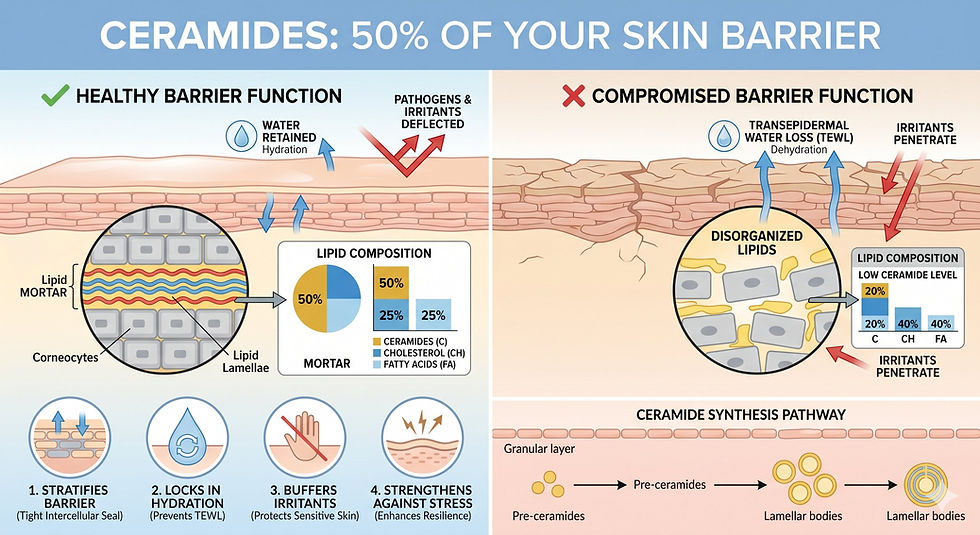
After exfoliation, the next priority is usually hydration and barrier support.
A simple routine may include:
gentle cleansing or enzymatic cleansing
hydrating serum if desired
moisturizer
sunscreen during daytime
There is often no need to layer multiple exfoliating products at once.
Morning or Evening: When Is the Best Time to Exfoliate?
Both can work.
Many people prefer evening exfoliation because it allows them to follow with a simple moisturizing routine.
If exfoliation is used in the morning, sunscreen should remain part of the routine.
Sun protection is important regardless of exfoliation method.
What Ingredients Are Commonly Used in Enzyme Exfoliation?
Enzymatic skincare products may use proteolytic enzymes or enzyme-containing botanical sources.
Commonly discussed examples include:
papain
bromelain
pumpkin-derived enzyme systems
fermented enzyme complexes
The effectiveness of a cosmetic product depends on the complete formulation, stability, pH, concentration, and contact time rather than the ingredient name alone.
Enzyme Cleanser or Exfoliating Toner?
These products serve different purposes.
An enzyme cleanser is generally rinsed off.
An exfoliating toner is usually left on the skin and often contains acids such as glycolic, lactic, or salicylic acid.
People who want shorter contact time or an acid-free approach may prefer a rinse-off enzymatic product.
Enzyme Cleanser or Peeling Mask?
A peeling mask generally remains on the skin longer than a cleanser.
This can provide a more intensive treatment depending on the formula.
An enzyme cleanser is usually easier to incorporate into a regular routine because it replaces or supplements a cleansing step.
Is Daily Exfoliation Necessary?
No.
Healthy skin does not require aggressive daily exfoliation.
The goal is not to remove as much surface material as possible.
The goal is to maintain a comfortable balance between cleansing, renewal, hydration, and barrier support.
Some products are formulated for frequent use, while stronger exfoliating products may be intended for occasional application.
Always follow the directions for the specific product.
What Does “Non-Abrasive Exfoliation” Mean?
Non-abrasive exfoliation means the product does not depend primarily on rough particles or strong mechanical friction to remove surface cells.
Enzymatic products are one example.
This distinction matters because searches for gentle exfoliation without scrubs often come from users trying to avoid over-rubbing the skin.
What Does “Acid-Free Peeling” Mean?
Acid-free peeling generally refers to exfoliation that does not rely on common exfoliating acids such as:
glycolic acid
lactic acid
mandelic acid
salicylic acid
Enzyme-based exfoliation is one possible acid-free approach.
The phrase does not automatically mean that a product is suitable for every sensitive skin type.
How to Choose an Enzymatic Peeling Cleanser
When comparing products, consider more than marketing terminology.
Look at:
whether the formula is rinse-off or leave-on
whether it contains abrasive particles
whether exfoliating acids are present
recommended frequency of use
skin type recommendations
cleansing base
fragrance content
co mpatibility with the rest of your routine
The best product is usually the one that fits comfortably into an existing skincare routine without creating unnecessary irritation.
Frequently Asked Questions
What is an enzyme cleanser?
An enzyme cleanser is a facial cleansing product that uses enzyme-based ingredients to help loosen accumulated dead surface skin cells while cleansing.
Can enzymes exfoliate skin without acids?
Yes. Enzyme exfoliation is one approach to exfoliation that does not require AHA or BHA acids.
Is enzyme exfoliation chemical exfoliation?
Enzymatic exfoliation is generally considered a form of non-mechanical exfoliation because it does not rely on physical scrubbing.
Is an enzyme cleanser better than a scrub?
They work differently. Enzyme cleansers avoid mechanical friction, while scrubs use particles to physically polish the skin.
Can an enzyme cleanser help with dull skin?
Removing accumulated surface cells can help skin appear smoother, fresher, and more radiant.
Does an enzyme cleanser unclog pores?
Removing surface buildup can help improve the appearance of congested skin, although persistent acne or clogged pores may require other targeted ingredients or professional advice.
Can an enzyme cleanser replace a face wash?
Some enzymatic cleansers are formulated to cleanse and exfoliate at the same time, allowing them to function as a facial cleanser.
Can you exfoliate without glycolic acid?
Yes. Enzymatic exfoliation provides one alternative for people who do not want to use glycolic acid.
A More Balanced Approach to Exfoliation
Modern skincare increasingly focuses on maintaining the skin barrier rather than pursuing aggressive exfoliation.
Enzyme-based cleansing provides one way to combine cleansing and surface renewal while avoiding abrasive particles and, in some formulations, exfoliating acids.
For people exploring this category, EcoNatural also develops a ReVital Elixir All-Day Enzymatic Peeling Cleanser https://www.myeconatural.com/product-page/enzymatic-peeling-cleanser-100ml-3-38oz?currency=ILS , formulated as a non-abrasive, acid-free rinse-off cleanser.
The broader principle, however, remains the same: effective exfoliation should improve the appearance of skin without unnecessarily compromising comfort.
For most people, a consistent and balanced skincare routine is more valuable than aggressive peeling.

Comments